
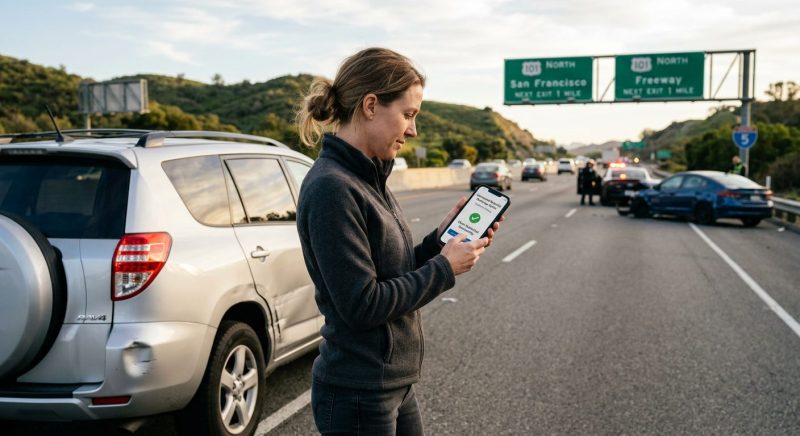
You can have solid auto insurance coverage and still face a major financial problem if you're hit by someone who doesn't have enough insurance—or any insurance at all.
That's where uninsured motorist coverage can help. This protection is designed for situations where another driver is responsible for an accident but doesn't have the liability coverage needed to pay for your losses.
Understanding how uninsured and underinsured motorist coverage works can help you decide whether your current auto insurance coverage gives you enough protection.
What Is Uninsured Motorist Coverage?
Uninsured motorist coverage, commonly called UM coverage, is designed to provide protection when you're involved in a covered accident caused by a driver who doesn't have liability insurance.
Instead of relying entirely on the uninsured driver to pay for your losses, you may be able to make a claim through your own insurance policy.
Exactly what your policy covers depends on the type of UM coverage you carry, your limits, the circumstances of the accident, and the laws in your state.
How Does Uninsured Motorist Coverage Work After an Accident?
Imagine another driver runs a red light and hits your vehicle. They're responsible for the accident, but you later discover they don't have auto insurance.
Without applicable uninsured motorist protection, recovering compensation from that driver can be difficult, particularly if they don't have the financial resources to pay for the damage they've caused.
With the appropriate UM coverage, your own insurer may provide benefits for covered losses up to the limits of your policy.
Uninsured motorist coverage may also apply in certain hit-and-run situations. However, requirements can vary significantly by state and policy, so drivers shouldn't assume every hit-and-run accident will automatically qualify.
What Is Underinsured Motorist Coverage?
Underinsured motorist coverage, or UIM coverage, addresses a different problem.
In this situation, the at-fault driver has insurance, but their liability limits aren't sufficient to cover the losses resulting from the accident.
For example, a serious accident could result in medical expenses and other covered losses that exceed the at-fault driver's bodily injury liability limit. Depending on the policy and applicable state rules, UIM coverage may provide additional protection up to the insured driver's own applicable limits.
UM and UIM protections are commonly discussed together, but their availability and how claims are handled depend on the policy and state.
What Can Uninsured Motorist Coverage Pay For?
Uninsured motorist protection can take different forms. One of the most important distinctions is between bodily injury coverage and property damage coverage.
Uninsured motorist bodily injury coverage may provide benefits for covered losses such as:
- Medical expenses
- Certain lost income resulting from injuries
- Pain and suffering where applicable
- Certain rehabilitation expenses
- Certain losses resulting from a fatal accident
Uninsured motorist property damage is different. Where available, it may help with covered damage to your vehicle caused by an uninsured driver.
Property damage protection isn't structured the same way everywhere, and limits, deductibles, eligibility requirements, and availability can vary.
How Do UM/UIM Coverage Limits Work?
Like other types of auto insurance coverage, uninsured and underinsured motorist protection comes with limits.
For example, bodily injury coverage may have a per-person limit and a separate per-accident limit. Those limits determine the maximum amount potentially available for a covered claim, subject to the policy and applicable law.
Choosing limits shouldn't be treated as an afterthought. A serious accident can result in substantial medical expenses and time away from work, so it's worth reviewing how much protection your policy actually provides.
Does Uninsured Motorist Coverage Have a Deductible?
Whether a deductible applies depends on the type of uninsured motorist coverage, the policy, and state requirements.
Bodily injury and property damage coverage can be treated differently, so don't assume the deductible on your collision coverage applies in exactly the same way to a UM claim.
If you want a better understanding of deductibles in general, read our guide explaining how car insurance deductibles work.
Uninsured Motorist Coverage in California
California insurers generally must offer uninsured and underinsured motorist bodily injury coverage with an auto liability policy. A policyholder can reject this coverage, but the rejection must be made in writing.
California also has specific rules governing uninsured motorist property damage and hit-and-run claims. Because these protections don't necessarily work the same way as collision coverage, California drivers should review their declarations page and policy rather than assuming vehicle damage is automatically covered.
Uninsured Motorist Coverage in Texas
Texas insurers generally must offer uninsured and underinsured motorist coverage, and a policyholder who doesn't want the coverage must reject it in writing.
Having UM/UIM listed on a policy doesn't necessarily mean every loss will be fully covered. Drivers should still review their limits, deductibles, exclusions, and other policy provisions.
Why Other Car Insurance Coverage May Not Be Enough
It's easy to assume other parts of an insurance policy make uninsured motorist coverage unnecessary, but each coverage serves a different purpose.
Liability insurance generally protects you when you're legally responsible for covered injuries or property damage to someone else. Collision coverage can help repair your own vehicle after a covered collision, but it doesn't replace bodily injury protection.
Health insurance may help with eligible medical expenses, but it isn't a substitute for every type of loss that could result from a serious auto accident.
Even having what people commonly call full coverage car insurance doesn't automatically mean every uninsured-driver-related loss is covered.
Is Uninsured Motorist Coverage Worth It?
There's no single coverage combination that's right for every driver. But uninsured and underinsured motorist protection addresses a risk that's largely outside your control: the insurance decisions made by other people on the road.
When reviewing your policy, look at more than whether UM/UIM coverage appears on the declarations page. Consider the limits you carry, what types of losses are covered, and how those protections work alongside the rest of your policy.
Global Guard Insurance can help drivers review their existing protection and understand the auto insurance options available to them. If you're unsure whether your current policy provides enough protection against uninsured or underinsured drivers, contact Global Guard Insurance to discuss your coverage.
Know Exactly What Your California Renters Policy Covers
Wildfire is covered. Earthquake is not, unless you add it. The licensed agents at Global Guard Insurance can walk you through exactly what your renters policy includes and where the gaps are. Call (800) 750-9115 or get your free California renters insurance quote today.