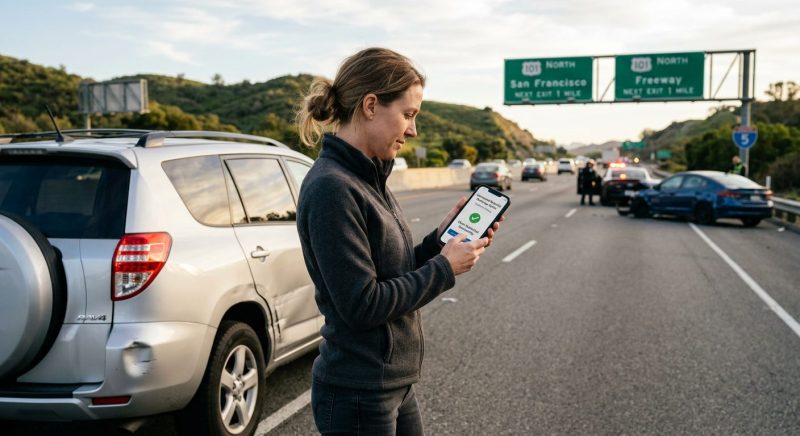
Nobody plans to end up stranded on the side of the road with a flat tire, dead battery, or empty gas tank. But when it happens, having roadside assistance coverage can make an inconvenient situation much easier to handle.
Roadside assistance is an optional form of protection that can provide help during certain vehicle emergencies. What it covers depends on the insurer and plan, so understanding the details before you need assistance is important.
What Does Roadside Assistance Cover?
Roadside assistance is generally designed to help get you and your vehicle moving again after common roadside problems.
Depending on the plan, services may include:
- Towing: Transportation of your vehicle to a nearby repair facility, usually subject to distance or cost limits.
- Battery jump-start: Assistance when your vehicle won't start because of a discharged battery.
- Flat tire assistance: Help replacing a flat tire with your vehicle's usable spare tire.
- Vehicle lockout service: Assistance when you're locked out of your vehicle, subject to the plan's terms.
- Emergency fuel delivery: Delivery of enough fuel to help you reach a gas station. The cost of the fuel itself may not be included.
Some plans may also provide services such as winching or other limited roadside help. However, benefits vary considerably, so don't assume every roadside assistance plan includes every service.
Roadside Assistance Through Car Insurance vs. a Standalone Membership
Roadside assistance may be available as an optional addition to an auto insurance policy. Drivers can also purchase roadside assistance separately through automobile clubs and other service providers.
Neither option is automatically better.
Insurance-based roadside assistance may offer the convenience of keeping coverage connected to your auto policy. A standalone membership may offer different towing distances, service limits, membership benefits, or pricing.
Before choosing between them, compare the services you actually receive rather than looking only at the price.
Does Using Roadside Assistance Count as an Insurance Claim?
This depends on the insurer and the way the roadside assistance program is structured.
Some insurers may maintain records of roadside service requests, while policies and underwriting practices can vary regarding how those requests are treated.
If this is a concern, ask your insurer how roadside service calls are recorded and whether frequent use could affect eligibility, renewal, or pricing before adding the coverage.
Common Roadside Assistance Limitations
Roadside assistance can be useful, but it isn't unlimited emergency coverage.
Towing limits are one of the first things to check. A plan may only cover towing for a certain distance or up to a specified dollar amount. If you want your vehicle taken farther, you may be responsible for the additional cost.
Plans may also restrict the number of service calls available during a policy period.
Other limitations can include:
- Restrictions on certain vehicles or uses
- Limits on towing distance or reimbursement amounts
- Limits on the number of service calls
- Requirements to pay first and request reimbursement
- Exclusions for certain mechanical problems or circumstances
That's why it's worth reading the actual terms instead of assuming “roadside assistance” means unlimited towing or repairs.
Does Roadside Assistance Pay for Car Repairs?
Generally, roadside assistance is designed to provide limited emergency services—not pay for major mechanical repairs.
For example, a technician may be able to jump-start a dead battery, but that doesn't necessarily mean the plan will pay to replace the battery. Similarly, roadside assistance may tow a vehicle with a serious mechanical problem, but the actual repair bill is typically a separate expense.
It's also important to distinguish roadside assistance from other types of auto insurance coverage. Collision, comprehensive, liability, and roadside assistance are designed to address different situations.
Who Might Benefit From Roadside Assistance?
Roadside assistance can be useful for many types of drivers, but its value depends on how and where you drive.
It may be particularly worth considering for:
- Drivers who regularly travel long distances
- People who frequently drive in unfamiliar areas
- Drivers with older vehicles
- People who frequently drive alone
- Drivers who aren't comfortable changing a tire or handling other roadside problems themselves
Drivers traveling through remote areas of California or Texas may want to pay particular attention to towing limits and service availability, since the nearest repair facility could be farther away.
Is Roadside Assistance Worth It?
Whether roadside assistance is worth adding depends on your vehicle, driving habits, budget, and any similar benefits you already have.
If you regularly travel long distances or simply want access to help when something goes wrong, roadside assistance may provide valuable convenience.
On the other hand, you may already have similar benefits through a vehicle manufacturer, credit card, automobile club, or another membership. Paying for overlapping coverage may not provide much additional value.
When reviewing your overall protection, remember that roadside assistance is only one small part of an auto policy. Understanding your liability, comprehensive, collision, and other coverages is equally important.
Our guide to full coverage car insurance can help explain how some of those major coverages work together.
Questions to Ask Before Adding Roadside Assistance
Before purchasing coverage, ask:
- What roadside services are included?
- How far will the plan tow my vehicle?
- Is there a limit on service calls?
- Will the provider dispatch help directly?
- Do I ever have to pay upfront and request reimbursement?
- Are my vehicle type and normal driving activities eligible?
- Do I already receive similar benefits somewhere else?
Choosing the Right Roadside Assistance Coverage
Roadside assistance isn't the most complicated part of car insurance, but the details still matter.
Look at towing limits, covered services, service-call restrictions, and how assistance is provided. A plan that's useful for someone driving mostly around town may not provide enough towing protection for someone who regularly travels through rural areas.
If you're reviewing your auto insurance and want to understand which optional protections make sense for you, contact Global Guard Insurance to discuss your coverage options.
Know Exactly What Your California Renters Policy Covers
Wildfire is covered. Earthquake is not, unless you add it. The licensed agents at Global Guard Insurance can walk you through exactly what your renters policy includes and where the gaps are. Call (800) 750-9115 or get your free California renters insurance quote today.