
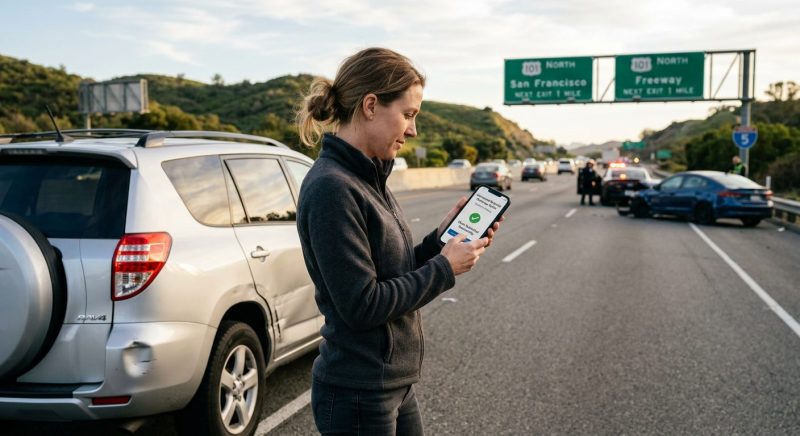
What this coverage does, how to file a claim, and why it matters on California roads.
Getting hit by a driver who has no insurance is one of the more stressful situations a California motorist can face. The injured driver did nothing wrong, yet the person responsible cannot pay for the harm they caused. Uninsured motorist coverage exists for exactly this moment, and the licensed agents at Global Guard Insurance help drivers understand how it protects them long before they ever need to use it.
This guide explains what the coverage does, how a claim actually works, how it handles hit-and-run situations, and why so many California drivers consider it essential.
What Uninsured Motorist Coverage Actually Does
Uninsured motorist coverage steps in when the driver who caused an accident has no insurance. It can pay for injuries, and in some forms, property damage, up to the limits selected. In effect, it fills the gap left by the responsible driver’s missing policy so that injured drivers and their passengers are not left covering the cost themselves.
California has a notable share of uninsured drivers on the road, which is what makes this coverage so practical here. When the at-fault driver cannot pay, uninsured motorist coverage frequently becomes the only realistic source of recovery. The basics of why drivers carry it come down to a simple reality: without it, an innocent party absorbs the financial consequences of someone else’s negligence.
There is also underinsured motorist coverage, which applies when the at-fault driver has insurance but not enough to cover full damages. In California, these protections are often packaged together.
Understanding the two parts of this coverage matters. Uninsured motorist bodily injury responds to medical costs and related losses from injuries, while uninsured motorist property damage can address vehicle damage when an uninsured driver is at fault. The way property damage is handled in California has specific conditions, and in some situations, collision coverage may be the more practical route for vehicle repairs. Knowing which part of a policy responds avoids confusion in the moment.
How a Claim Works After the Crash
The detail that surprises many drivers is that an uninsured motorist claim is filed with the policyholder’s own insurer, not the other driver’s. Since the responsible driver has no coverage to pursue, the insurance company evaluates injuries and losses under the policyholder’s own coverage. This is precisely the protection that was purchased for this scenario.
Prompt reporting makes a meaningful difference. Notifying the insurer as soon as possible, documenting the scene, gathering witness information, and keeping records of medical treatment and repairs all contribute to a stronger claim. Agents routinely advise clients to treat the first hours and days after a crash as the critical window for building a solid record.
Because the claim runs through the policyholder’s own carrier, an adjuster will work to value injuries and losses. If the policyholder and insurer disagree on the amount, California policies typically include a process for resolving the dispute. Knowing that a path exists and keeping thorough records from the start creates a far stronger position than scrambling to reconstruct events weeks after the fact.
Hit and Run and Other Tricky Situations
A common concern is what happens when the other driver flees the scene. In California, uninsured motorist bodily injury coverage can often apply to a hit and run when the at-fault driver cannot be identified, provided certain conditions are met, such as reporting the incident to the police promptly. Property damage rules can work differently, so the details matter.
This is one area where reading a policy carefully, or discussing it with an agent before anything happens, pays real dividends. One honest caveat: uninsured motorist coverage is powerful, but it is not unlimited. It pays up to the limits chosen, so a driver who selected low limits may still find the coverage falls short after a serious injury. Choosing adequate limits is part of making the coverage work as intended.
Why California Drivers Should Not Waive It
California requires insurers to offer uninsured motorist coverage, but drivers are allowed to reject it in writing. Many do, often to trim their premium, without fully appreciating how exposed that decision leaves them. If the coverage was waived and the driver is later hit by an uninsured motorist, that protection simply is not there.
Given how many uninsured motorists share California roads, keeping this coverage in place and reviewing limits periodically is the stronger approach. Because it responds to an accident the policyholder did not cause, California’s rules on not-at-fault accidents also shape how a claim affects the policy, though each carrier handles renewals individually. Coverage can usually be added back at the next opportunity if it was previously declined.
When carrying this coverage, giving thought to the limits rather than defaulting to the lowest available option is worth the effort. A serious injury can generate costs that climb quickly, and uninsured motorist coverage only pays up to the amount selected. Matching uninsured motorist limits to liability limits is a common and sensible approach, since it keeps protection consistent whether the policyholder causes an accident or is the victim of one.
Many drivers cannot say from memory whether they kept or waived this coverage, or what their limits are. A policy review answers those questions and creates the opportunity to correct any gap before a crash forces the issue.
On California roads, the driver who causes an accident may not have the means to make things right. Uninsured motorist coverage puts that responsibility back where it belongs – on a policy the injured driver controls – so that a moment they did not cause does not become a burden they carry alone.
Frequently Asked Questions
What does uninsured motorist coverage do after a California accident?
Uninsured motorist coverage steps in when an at-fault driver has no insurance. It can pay for injuries, and in some forms, property damage, up to the policy limits. Because California has a significant number of uninsured drivers, this coverage often becomes the only source of recovery when the responsible driver cannot pay. It protects the policyholder and passengers directly.
What is the difference between uninsured and underinsured motorist coverage?
Uninsured motorist coverage applies when the at-fault driver has no insurance at all. Underinsured motorist coverage applies when that driver has insurance, but not enough to cover full damages. In California, the two are often packaged together. Both protect against the financial fallout of a crash caused by a driver who cannot fully pay for the harm.
Does a policyholder file an uninsured motorist claim with their own insurer in California?
Yes. An uninsured motorist claim is filed with the policyholder’s own insurance company, not the other driver’s, because the other driver has no coverage to pursue. The insurer then evaluates injuries and damages under the policyholder’s coverage. Reporting the accident promptly and providing documentation supports a smoother claim process.
Does uninsured motorist coverage apply to a hit-and-run in California?
Often yes. In California, uninsured motorist bodily injury coverage can apply to a hit and run when the at-fault driver cannot be identified, though specific conditions usually apply, such as reporting the incident to the police promptly. Property damage rules can differ. Reviewing policy terms clarifies exactly how a hit-and-run claim would be handled.
Can a policyholder be denied uninsured motorist coverage if it was waived in California?
California requires insurers to offer uninsured motorist coverage, but policyholders can reject it in writing. If it was previously waived, that protection would not be available after an accident with an uninsured driver. Many drivers reconsider this choice once they understand how many uninsured motorists are on the road. Coverage can usually be added back at the next opportunity.
How long does a policyholder have to file an uninsured motorist claim in California?
Time limits apply, and they can be shorter than the deadlines for suing an at-fault driver. Because uninsured motorist claims are governed by the policy and California rules, prompt reporting is essential to preserve rights. Notifying the insurer as soon as possible after the accident and keeping records is strongly advisable, rather than waiting and risking a missed deadline.
Will using uninsured motorist coverage raise California rates?
Because an uninsured motorist claim involves an accident the policyholder did not cause, it is treated differently from an at-fault claim. California has rules limiting surcharges for not-at-fault accidents, though every carrier handles renewals individually. The protection this coverage provides typically far outweighs concerns about a claim, especially given how common uninsured drivers are.
Make Sure You Are Covered Against Uninsured Drivers
Uninsured drivers are a real risk on California roads, and the right coverage keeps a crash from becoming a financial crisis. The licensed agents at Global Guard Insurance help drivers review their uninsured and underinsured motorist limits and compare options across multiple carriers. Call (800) 750-9115 or get a free California auto insurance quote today.